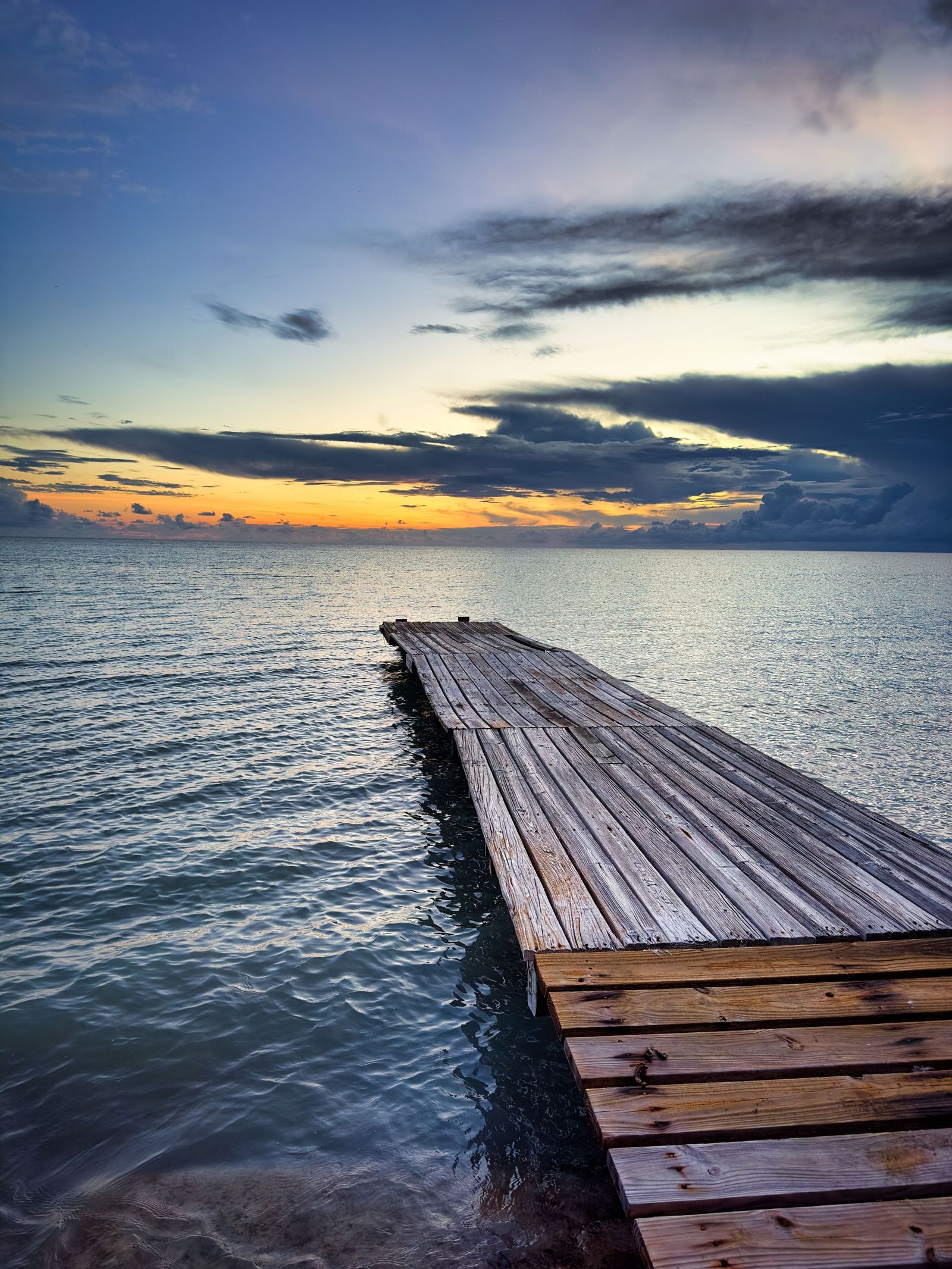
Puerto Rico is mind blowing.
There is no other place quite like it. It's a unique mix of Spanish (Spain), African, & Taino (native inhabitants) that results in a beautiful people with a rich culture found nowhere else on earth.
It’s not just the people and culture you’ll love. Once you get off the beaten path, you'll find the different regions of the island differ so greatly you can have lots of very different adventures all packed into one trip.
The Old San Juan area feels European with its beautiful Spanish architecture and blue cobblestone roads. It’s a total blast with its world class music, food, and dance. Located on the northern coast, you’ll find jaw dropping views and 400+ years of history. You can easily spend several days exploring its walkable streets, world famous restaurants and bars, and the many beautiful and historically rich sites.
There are a couple of spots on the East of the Island most popular among the crowds of tourists - for good reason! These include El Yunque, the only tropical rainforest in the U.S., Luquillo Beach ranked by many as one of the top 10 beaches in the world, and Fajardo with its resorts and Marina.
It's a bit touristy with its well-worn path between San Juan and Fajardo but get off that path to experience some crazy adventures - like the natural water rock slide called Las Pailas!
Head South to Ponce, the second largest metropolitan area on the island next to San Juan Metro. It's beautiful in a very different way. You’ll notice the ground is less mountainous, you’ll see more cactus, and it isn’t as green as they get so much less rain throughout the year.
History buffs will love the internationally acclaimed art museum, the amazing plaza with its tributes to Ponce de Leon in the form of Lions, and the many museums throughout the city chock-full of history.
The Southwest corner of the Island reminds me of the islands in the South Caribbean like Aruba or Bonaire with its rugged shore line, cactus, salt flats, and stunning desert landscapes.
You'll find a famous fishing village nearby with seafood that will melt your brain. Some of the most beautiful beaches that few tourists experience are hidden away with incredible postcard views.
As you move to the Western coast, you'll enter a chill surf culture. Rincon is known around the world for having some of the best waves and the entire town is in on the surfing vibe.
Whatever you want in a beach, you'll find: surfing, windsurfing, snorkeling, diving, family-friendly, romantic, etc. The area is called Porta del Sol (Door of the Sun) because the Sunsets over the Ocean really captures the essence of this part of Puerto Rico.
The Northwest Coast has more surfing and some really old beautiful towns with lots to do. Here, lots of physical adventure awaits you. Horseback riding, ziplining, world famous caves, and the list goes on.
Then you can go inside the island to the mountains. Find coffee farms that rarely get visitors but are happy to show you around and brew up a cup of coffee for you. Large lakes that are gorgeous and fun to explore. Roads that take you to places that will make you feel like you’re in a dream - with ocean views off in the distance, pigs roasting out in an open pit, and people singing and dancing on the side of the road for no reason except that's how they live.
With something for everyone and some smart planning - you will love your Real Puerto Rican experience. Relax or thrill seek. Go solo or with a group. Spend time with your friends or bring your kids along! Sit in a resort or get off the beaten path! (You should get off the beaten path and do a little (or a lot) of everything.)
Familiar Comforts
You'll find the same basic comforts found in the U.S. while being in the Caribbean!
Tap water is safe. Think of it like tap water from any given city in the U.S. It’s not a bad idea to drink bottled water anyway, to avoid any chance you might experience a case of the runs.
110V Appliances work. It's 120V with a frequency of 60 Hz. This means you can use your appliances if the standard in your country is between 110 to 127. This includes the U.S., Canada, and most South American Countries.
All Major Cell Phone Carriers Supported. There is nearly 100% coverage from all major carriers. Give your provider a call before you arrive to double check on coverage and costs.
Internet service is everywhere. If you happen to end up in an area where your cell phone coverage is spotty &/or you need internet access, there are Wi-Fi hotspots found in almost any coffee house or fast food restaurant, both of which are all over the island.
Air Conditioning is very common in businesses, restaurants, and most locations you are likely to stay. Don’t worry, however, if you end up somewhere there is no air conditioning. The temperature is a comfortable 72 to 82 degrees Fahrenheit (26 degrees Celsius) year round. Couple that with the likelihood of a nice ocean breeze and going without air conditioning isn’t too bad.
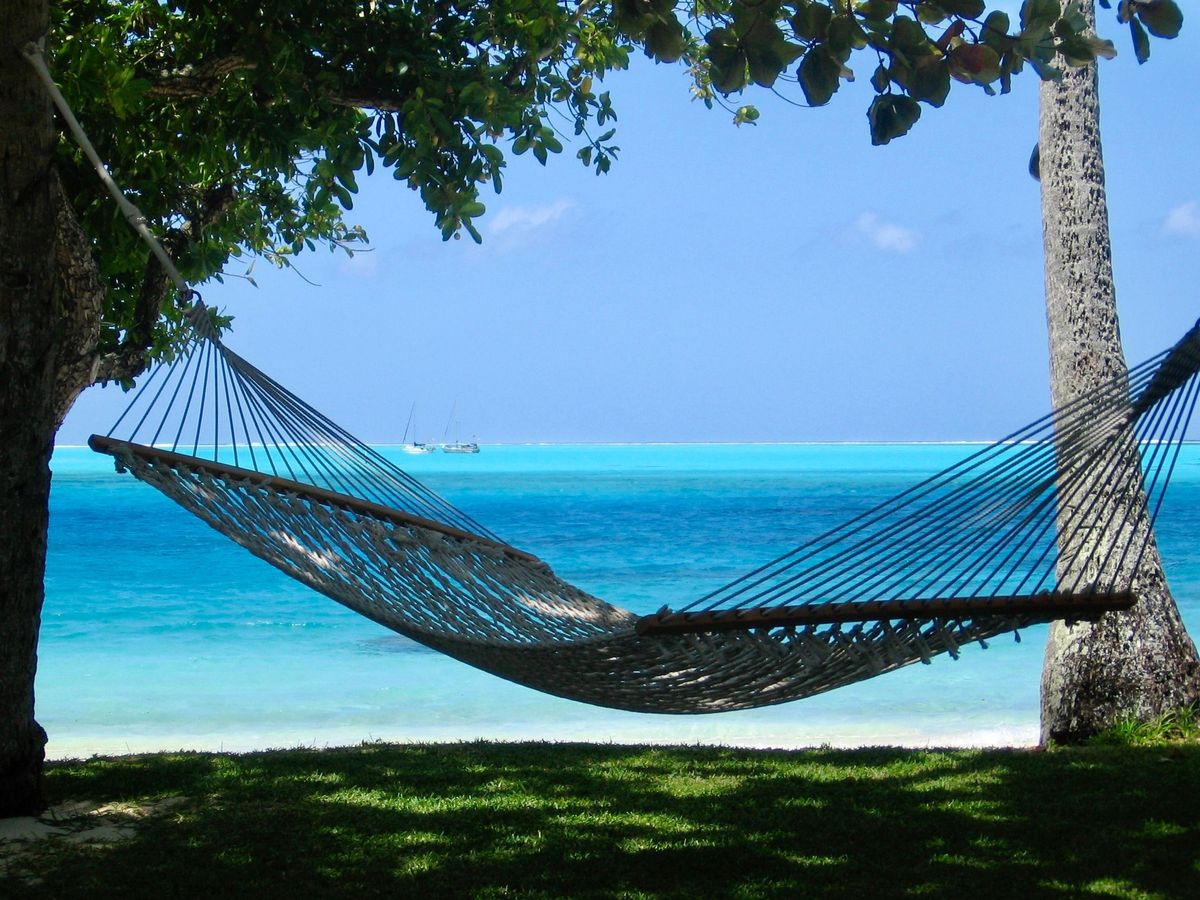
Traffic is like it is in the U.S. with a few differences covered in the Transportation section of this book. I’ve noticed the traffic has gotten better over the years. If you read something that says otherwise, it’s probably from 20 plus years ago or written by someone who hasn’t visited in recent years. The roads are decent – especially the larger ones. Yes, there are super skinny winding roads throughout the mountains that can require you to drive slowly and carefully – but it’s not a free for all like you find in the Dominican Republic.
There are major retail chains all over the island. Chances are, you'll never be more than a 20-minute drive to stores like Walmart. There are smaller stores, such as CVS or Walgreens, on what feels like every corner near any town center. These smaller outlets offer commonly needed household items.
U.S. Currency and lots of banks. If you’re from the United States, no need to calculate exchange rates as you’ll just keep using U.S. dollars. There are also lots of banks and atm machines all over the island.
No Need to Haggle. The prices are the prices. There are some exceptions to this I cover in the section, "What to Expect" but for the most part, retail prices are fixed. For those rare birds who enjoy haggling, this might be disappointing, but for the rest of us it's nice not worrying about getting taken.
English and Spanish are spoken by almost everyone. Everyone speaks Spanish with a Puerto Rican flare. In addition, everyone speaks at least some English and most anyone you’re likely to run across in a retail situation can speak well enough to get by.
The younger generations are definitely more skilled with English, but many from the older generations can get by. If you speak English but have wanted to practice some Spanish, Puerto Rico is a great place to give it a try! The people will appreciate your effort.
You'll enjoy the best of both worlds in Puerto Rico. I've lived there alone, traveled in groups, and taken my family with small kids and could always get whatever was needed. There are some differences to be prepared for covered in the “Adjust Expectations” section but you will find the best of both worlds in Puerto Rico: The awesome culture of the Caribbean and the comforts of the U.S.
Safe for Tourists
Crime is Low. Puerto Rico is very safe for tourists. Nearly all violent crime is between locals involved in the drug trade in highly populated metro areas at night. These areas are easy to avoid. The rest of the island is quite safe day and night. There are certainly precautions you should take, which I'll cover later in this book, but know that Puerto Rico is safe. In fact, about 7.5 million tourists a year visit with little report of incident.
Health Care is Good. Health care in Puerto Rico is like health care in the U.S. The process of getting care can be a bit annoying as things run a little slower. There are longer wait times and you may have to run around to different offices to get different things done. Still, the healthcare is very solid. In addition, there are two international airports on the island which enables you to make a quick trip to Florida (or elsewhere) when needed.
Tourists Not Pestered. Chances are, you won't be bugged by people trying to sell you things or ask for money. You may run across someone pan-handling but most of the time they are very passive; just sitting there without saying a word. About the most aggressive they can get is in a busy intersection of San Juan or Ponce (the two biggest metro areas) where they might offer to wash your car’s windshield for a dollar. It is not common to be pestered.
Easy to Get to for Tourists from the States, Canada, or South America
No Passport Needed (from U.S.)! Because Puerto Rico is a commonwealth of the U.S., if you're from the States, you don't need a passport.
Atlantic Time zone. If you're from the States, it's nice to transport to another world and not have the jetlag to deal with.
Two International Airports. There is the San Juan airport that is located at the top of the North East side of the island in the city of Carolina which is very close to Old San Juan and is considered part of San Juan Metro. The other is located on the West coast of the island in a surf town called Aguadilla.
Any Budget Works
Inexpensive Airfare. It's likely the least expensive destination in the Caribbean.
Prices are Similar to the States. You’ll find some food items to be a bit more than what you might see on the mainland – but not anything crazy. Gasoline is a bit higher, as you might expect. Restaurants seem to be about like they are in the states. Resort hotels are very expensive, in part because of the taxes imposed on them. Alternative housing, like Air BnB, covers the range of price but tends to be much less than the hotels. Most everything else is about what you’d expect the averages to be in the States.
Nearly any Budget Works. You can have a great time on almost any budget. If you've got to stretch your money, the street food is wonderful and inexpensive, there is less expensive lodging, and there are plenty of adventures to be had for free.
Less *Touristy* than other Islands
Yes, parts of Puerto Rico are touristy – there are lots of tourists. It still doesn’t feel touristy to me, for two reasons.
First, compared to other islands in the Caribbean, it is easier to get off the beaten path and really enjoy yourself while remaining safe and comfortable. Where else can you as easily just jump in a rental car and explore to your heart’s content (while taking a few precautions wise in all travel)?
Other islands present challenges that Puerto Rico just doesn’t have. Cuba has its challenges. The Dominican Republic is a lot less safe, the traffic is almost impossible, and it doesn’t have the same level of comfort. Many of the other islands, I’d rather not mention by name, are less friendly to tourists.
Second, even in the areas where tourists commonly frequent (on the beaten path, if you will), there is still an authentic Puerto Rican vibe. Old San Juan is a gem – and its true nature is not hidden from anyone. El Yunque, the rainforest, is exactly what tourists see. The beaches, resorts, and guided tours might present themselves in a way that is tourist friendly – but that Puerto Rican soul is there.
No island in the Caribbean is this easy for a tourist and this real at the same time. Usually you trade one for the other.
Know Before You Go — Why Puerto Rico
Ben's chapter-3 teasers point at real places; here's where four of them actually are, and one pointer to a nearby page.
Sources: Wikivoyage and Discover Puerto Rico (Porta del Sol region); DRNA and cross-referenced 2026 reporting (Camuy status, via the Mountains page's own research); Tropical Trail Rides listings (via the Rincón page's own research); Wikipedia and Puerto Rico Day Trips (Joyuda); Discover Puerto Rico and Fajardo-area visitor guides (Fajardo marina, day trips). All checked live, September 2026.